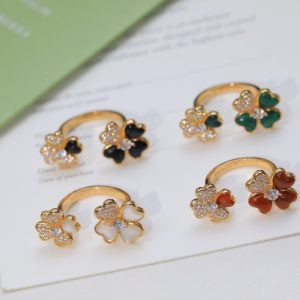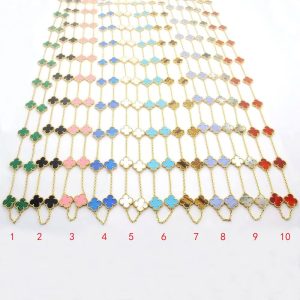
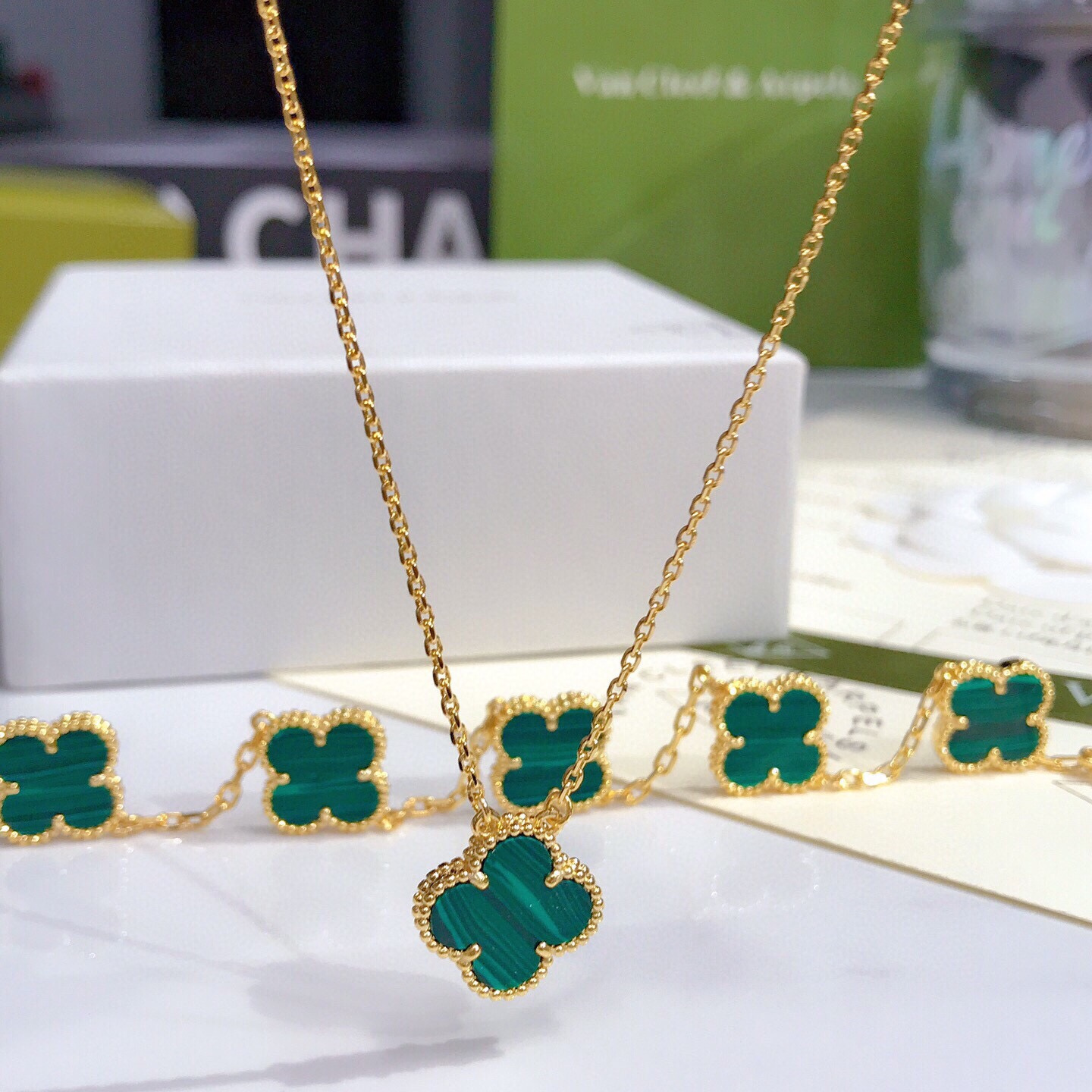
The Van Cleef bracelet and necklace combination works best for buyers who want a coordinated motif set with flexible styling. Choose it only after checking necklace length, bracelet fit, clasp security, motif alignment, listed materials, and the seller’s return terms.
This Van Cleef bracelet necklace combination review 2026 evaluates the shoes886.com listing as a wearable two-piece set. It focuses on visible design, fit planning, styling, daily comfort, care, and the questions a buyer should resolve before ordering. Product photographs can show color and construction details, but they cannot independently establish origin, composition, or eligibility for a brand’s services.
For more context, read the Sweet Alhambra vs Vintage Alhambra size comparison, the Alhambra bracelet size and buying guide, and the designer jewelry and accessories guide. Those articles help compare motif scale, wrist fit, and styling without turning this review into a brand-status claim.
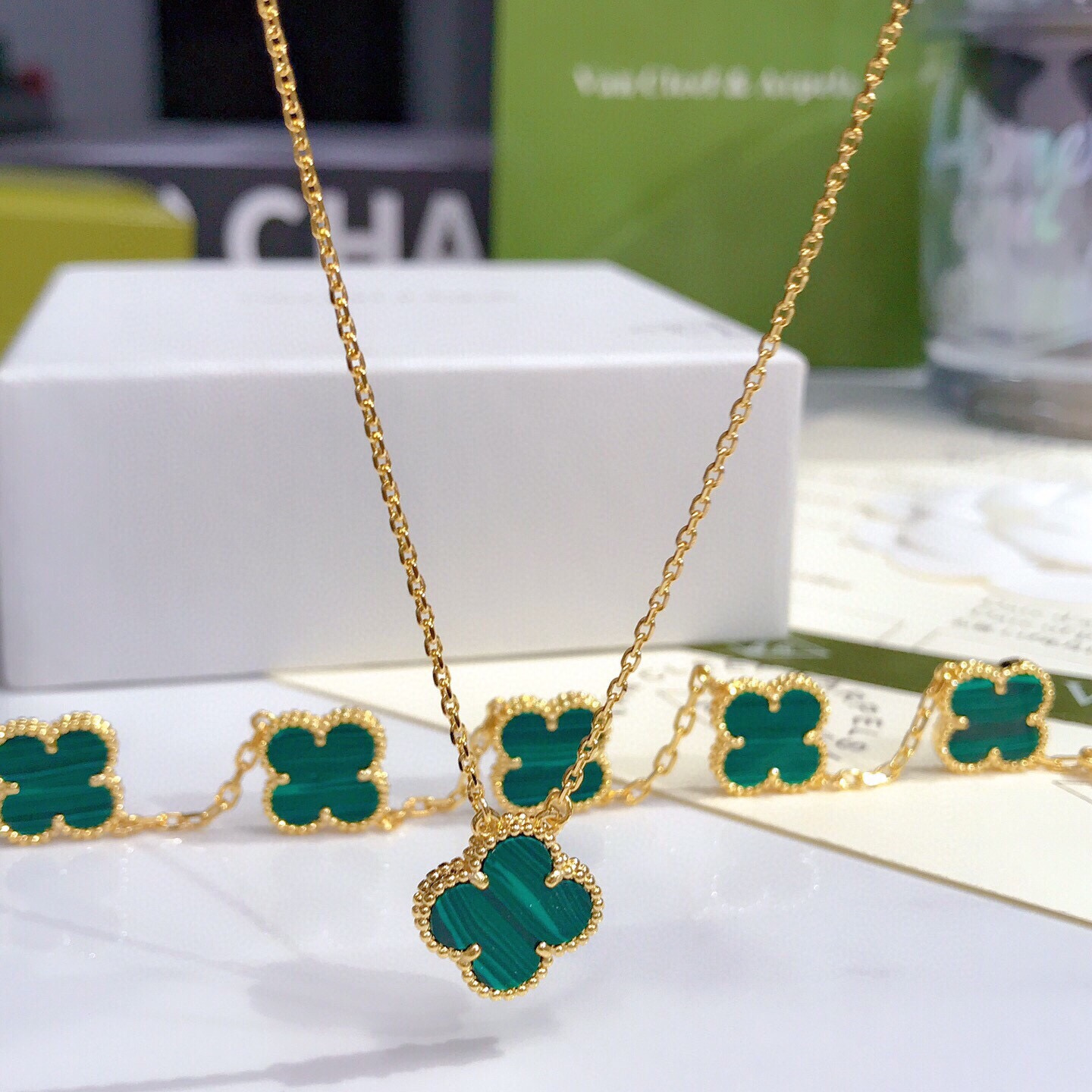
Van Cleef & Arpels Bracelet Necklace Combination
Review the full gallery, listed measurements, ordering details, and current availability before choosing the set.
View Product DetailsQuick Verdict
The strongest reason to choose a bracelet-and-necklace combination is coordination without extra planning. Repeated motifs create a clear relationship between the wrist and neckline, yet each piece can still work alone. That gives the set more wardrobe range than a single statement item that only suits one type of outfit.
The main decision is not whether the two pieces match; the listing already presents them as a combination. The important questions are whether both proportions suit you, whether the closures feel practical, and whether the finish looks consistent across every motif. A set only delivers useful value when the bracelet fits comfortably and the necklace lands at a flattering point.
| Review Point | Necklace | Bracelet | Worn Together |
|---|---|---|---|
| Fit priority | Chain length and motif position | Wrist ease and rotation | Balanced visual scale |
| Movement | Should lie flat without twisting | Should move without sliding over the hand | Should not feel visually crowded |
| Best styling role | Frames the neckline | Adds detail near the hand | Creates a coordinated statement |
| Key inspection | Clasp, chain symmetry, motif spacing | Clasp, links, edge comfort | Color and finish consistency |
| Storage | Lay flat or hang safely | Close clasp and store separately | Keep pieces from rubbing |
Design Context and Motif Proportion
The repeated clover-shaped motif has a long design history. Van Cleef & Arpels states that its first Alhambra long necklace was created in 1968 and that later interpretations introduced different materials, colors, functions, and motif sizes. That history explains why scale and spacing matter so much to the visual language. It does not, by itself, establish anything about a third-party product listing.
On a necklace, motifs create rhythm across a larger area. Spacing that is too tight can look busy, while spacing that is too wide can make the design feel disconnected. On a bracelet, the same shapes are viewed more closely and move more often. Edges, joins, and alignment therefore become easier to notice. When both pieces are worn, consistent motif size and color help the set read as intentional.
Use the product gallery to compare front views, close views, clasp views, and any images showing the set on a person. A straight product shot is best for checking symmetry. A worn image is more useful for estimating scale. Neither replaces exact measurements, so ask for chain and bracelet lengths when they are not clearly stated.
Necklace Fit and Length
Choose necklace length by where the main visual line sits, not by the number alone. The same chain can land differently depending on neck size, shoulder width, torso length, clothing, and motif weight. Compare the listed length with a necklace you already own, then use a cord cut to that measurement to preview the position in a mirror.
A shorter position works well with open collars, scoop necks, and simple crew necks because it keeps the motifs near the face. A longer position gives the design more vertical movement and can sit cleanly over knitwear or a plain dress. If you plan to layer another necklace, leave enough separation so the chains do not occupy the same line.
Check whether the chain appears to lie flat in the gallery. Each connection should allow movement without forcing a motif to turn backward. Inspect the clasp shape and the link used for closure. If an extender is shown, confirm its usable range rather than assuming every photographed position is available.
Bracelet Fit and Wrist Comfort
A good bracelet fit leaves controlled movement around the wrist without letting the piece slide over the hand. Measure the wrist at the point where you plan to wear it, then compare that number with the stated bracelet length. Desired ease depends on motif size, link flexibility, and whether you prefer a close or relaxed feel.
Too little ease can press motif edges into the skin and place tension on the clasp. Too much ease allows the bracelet to rotate constantly, strike a desk, and catch on sleeves. During a first indoor try-on, bend the wrist, type, hold a phone, and reach into a bag. These ordinary movements reveal comfort problems faster than a static mirror check.
Pay attention to the underside as well as the decorative face. Join points should feel smooth, the clasp should close positively, and no link should sit at an awkward angle. If the listing provides only a total length, ask whether that includes the clasp and whether any links can be adjusted.
How to Style the Combination
The easiest styling approach is to let the matched set provide the repeated detail while clothing stays visually clean. A solid black dress, white shirt, charcoal knit, navy blouse, or neutral jacket gives the motifs room to register. The pieces can also work with color, but a limited palette keeps the combination from competing with prints and hardware.
For work, wear the necklace under an open collar and keep the bracelet as the only wrist accessory. For evening, expose more of the neckline and pair the bracelet with a simple sleeve. For casual outfits, choose one piece at a time with denim or knitwear. This three-way use is the practical advantage of buying a coordinated pair.
If you add earrings, a watch, or rings, repeat only one visual cue: metal tone, motif shape, or color. Repeating all three can make a small set feel overly arranged. A watch can share the bracelet wrist when both have enough space, but separate wrists usually reduce contact and scratching.
Visible Quality Checks
Evaluate the listing systematically instead of relying on one attractive overview image. Start with motif outline and spacing. Comparable motifs should have consistent proportions, centered inserts, even borders, and orderly connections. Then compare the necklace with the bracelet to see whether color and surface finish remain coherent across the set.
- Closures: Look for clear clasp photos and a secure connection point.
- Links: Check that chain links appear even and are not visibly bent or open.
- Motifs: Compare outline, border spacing, face alignment, and edge finish.
- Surface: Look for scratches, cloudiness, glue marks, discoloration, or uneven polish.
- Measurements: Confirm necklace length, bracelet length, and motif dimensions in writing.
- Listing scope: Verify exactly which pieces, packaging, and accessories are included.
Photos are most useful when they show the actual item from multiple angles under ordinary light. Highly edited images can hide texture and scale. If important details are missing, ask the seller for clarification before paying. Keep screenshots or written order details so the delivered set can be compared with what was described.
Materials, Color, and Expectations
Do not infer composition from color alone. A gold-tone surface does not identify the underlying metal, and an iridescent insert cannot be classified reliably from a photograph. Use the listing’s written material description as the starting point, ask what terms mean, and decide whether the seller’s answer is specific enough for your needs.
Color matching also deserves attention. Warm and cool lighting can change the apparent metal tone, while pale inserts can show different reflections from one angle to another. Compare several images and view the delivered pieces in indirect daylight during the return period. The bracelet and necklace do not need to look identical at every angle, but they should feel compatible when worn together.
If skin sensitivity is a concern, request information about the metal and finish before ordering. Avoid assuming that a marketing name answers allergy questions. A buyer with known sensitivities should choose based on documented composition and professional medical advice, not on appearance.
Daily Wear and Care
Put jewelry on after fragrance, lotion, cosmetics, and hair products have dried. Van Cleef & Arpels’ general care guidance recommends avoiding fragrance, soap, chemicals, cosmetics, water, and high temperatures, and storing pieces separately in a fabric-lined case. Those conservative habits are useful for many delicate motif pieces, regardless of the specific listing.
After wear, wipe the bracelet and necklace gently with a clean, soft, dry cloth. Do not scrub an insert or use an unverified cleaner. Close the clasps before storage, lay the necklace so it cannot knot, and place the bracelet where its motifs do not rub against the chain. Separate compartments reduce tangles and surface contact.
Remove the set before showering, swimming, exercise, gardening, or household cleaning. Heat, moisture, impact, and chemicals can affect finishes and delicate inserts. If a piece becomes wet, blot it carefully and let it dry away from concentrated heat. Contact the seller for care instructions tied to the stated materials.
Buying Checklist
Before ordering, write down your wrist measurement, preferred necklace position, and the outfits you expect to wear. Review the product page on a full-size screen, compare every image, and confirm that the bracelet and necklace shown are both included. Check stock, delivery timing, payment terms, and the return process as they exist on the purchase date.
- Confirm necklace, bracelet, and motif measurements.
- Review clasp and connection-point photographs.
- Ask for the written material and finish description.
- Check whether adjustment links or an extender are included.
- Read shipping, return, exchange, and support terms.
- Keep the order confirmation and listing details.
- Inspect the set promptly after delivery without removing protective elements unnecessarily.
During inspection, compare the delivered color, motif count, spacing, and closures with the listing. Test the clasps gently and try both pieces indoors. Do not force a tight bracelet or alter the chain before deciding whether to keep the set, because modification may affect return eligibility.
Who Should Choose This Set?
This combination suits someone who enjoys repeated motif jewelry, wants a necklace and bracelet that can be styled together or separately, and is willing to verify fit and listing details before ordering. It is especially practical for a wardrobe built around solid colors, simple necklines, and small coordinated accessories.
It is less suitable for a buyer who dislikes matching sets, needs a precisely documented metal for sensitivity reasons, or cannot confirm measurements and return terms. In those cases, choose a listing with clearer specifications or select one piece first to test the scale and comfort.
Final Verdict
The Van Cleef bracelet and necklace combination is most convincing as a flexible styling set, not as a shortcut around product research. Its appeal comes from coordinated motifs, three useful wearing options, and a clear visual identity. The buying decision should still rest on fit, visible construction, stated materials, seller communication, and current policies.
Measure first, inspect the gallery carefully, and ask questions before ordering. If both lengths suit you and the listing provides enough detail, the set can move from simple daytime outfits to more polished evening looks without requiring a separate styling plan.
Design history reference: Van Cleef & Arpels, History of the Alhambra Collection. Care reference: Van Cleef & Arpels, Daily Care of Your Jewelry Creation.
Van Cleef Bracelet and Necklace Combination FAQ
What should I check before buying a Van Cleef bracelet and necklace combination?
Confirm the necklace length, bracelet length, clasp operation, motif alignment, listed materials, product photos, delivery terms, and return policy. Ask the seller for written answers when a measurement or material description is unclear.
Should the bracelet and necklace always be worn together?
No. Wearing both creates a coordinated statement, while wearing one piece at a time gives a quieter result. The most useful set is one that works as three looks: necklace only, bracelet only, and both together.
How should a motif bracelet fit?
A motif bracelet should move slightly without sliding over the hand or catching constantly on nearby objects. Measure the wrist, compare that number with the listed bracelet length, and allow enough ease for comfort without excessive rotation.
How do I choose the right necklace length?
Compare the listed chain length with a necklace you already wear. Consider neckline, torso proportions, motif size, and whether you plan to layer another chain. A paper strip or cord can help preview where the centerpiece will sit.
How should I care for the bracelet and necklace set?
Put the pieces on after fragrance and cosmetics have dried, keep them away from water and harsh chemicals, wipe them gently with a soft dry cloth, and store each piece separately so chains and motifs do not rub or tangle.
Do product photos confirm the origin or exact materials of a jewelry set?
No. Photos help evaluate color, layout, finish, and visible construction, but they do not independently confirm origin or composition. Review the written listing, request clarification from the seller, and retain the order and policy records.